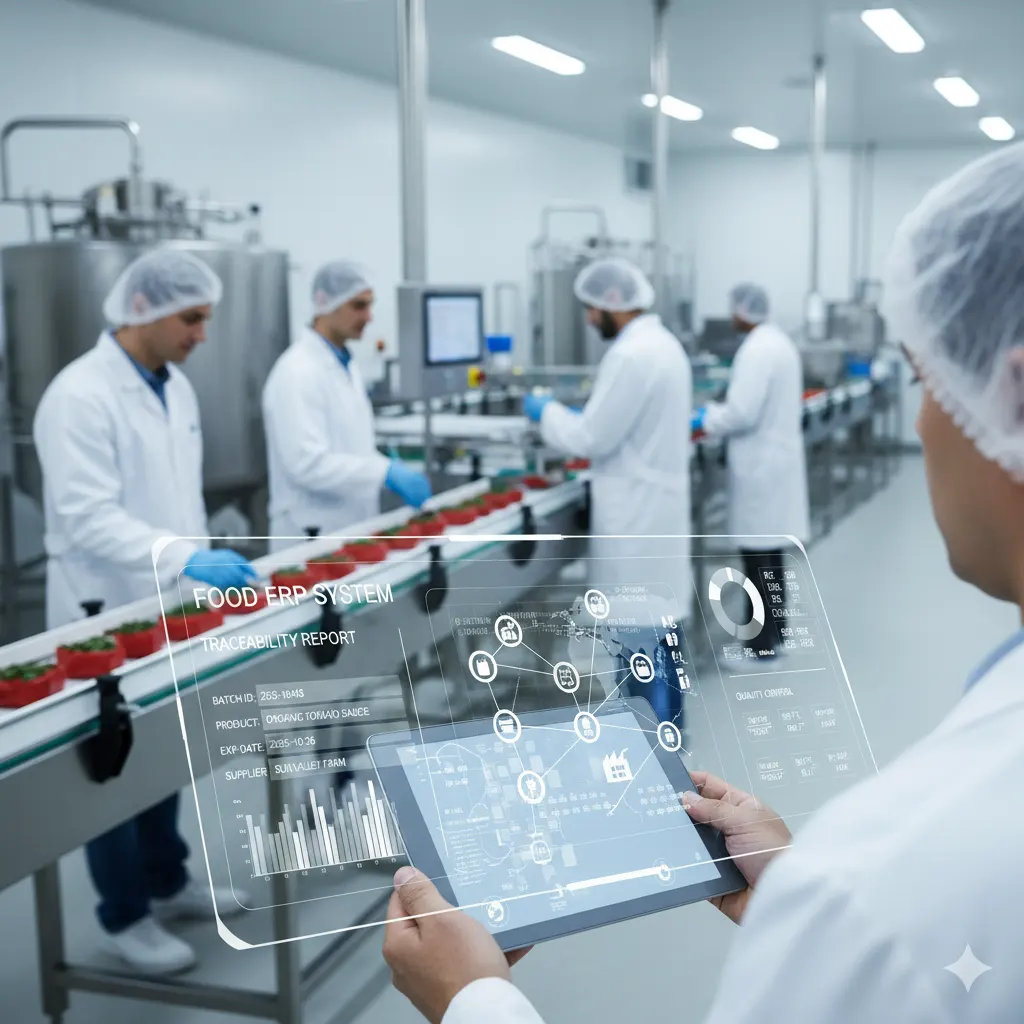
Revolutionizing the Food Industry with Robust ERP Software
The food industry, with its complex supply chains, stringent regulations, and perishable goods, demands a level of operational precision that traditional systems often struggle to provide. This is where dedicated food ERP software steps in, offering a comprehensive solution designed to meet the unique challenges of food manufacturing, distribution, and retail. Implementing the right ERP system can transform your operations, ensuring efficiency, compliance, and ultimately, greater profitability.
The Unique Demands of the Food Sector
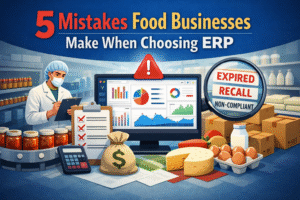
Imagine managing inventory for ingredients with varying shelf lives, tracking batches for recall purposes, and ensuring adherence to a myriad of food safety standards from farm to fork. These are just some of the daily hurdles faced by businesses in the food sector. Without an integrated system, this often leads to siloed data, manual errors, and significant delays. Food ERP software is built with these specific needs in mind, providing modules for everything from recipe management and quality control to demand forecasting and supplier relationship management.
Key Benefits of Food ERP Software
- Enhanced Traceability: From raw material to finished product, a good food ERP system offers end-to-end traceability. This is crucial for compliance with regulations like FSMA and for rapid response in case of a product recall, protecting your brand’s reputation and consumer safety.
- Optimized Inventory Management: Minimize waste and spoilage with precise inventory tracking, FIFO/LIFO capabilities, and demand forecasting tools. Manage lot numbers, expiration dates, and warehouse locations effectively, ensuring fresh ingredients are always available and finished products move quickly.
- Streamlined Production Processes: Automate production planning, scheduling, and execution. Manage recipes, formulations, and bill of materials (BOMs) with ease. Real-time visibility into production lines helps identify bottlenecks and optimize resource allocation.
- Improved Quality Control: Integrate quality checks at every stage of the production process. Record and manage quality data, conduct audits, and ensure consistent product quality, meeting both internal standards and external regulatory requirements.
- Better Financial Management: Gain a clear, real-time view of your financial health. Manage costs, revenue, and profitability across different product lines and operations. Simplify accounting processes, budgeting, and financial reporting.
Implementing food ERP software is not just an upgrade; it’s a strategic investment in the future of your food business. It empowers you to navigate the complexities of the industry with confidence, delivering quality products efficiently and sustainably.